




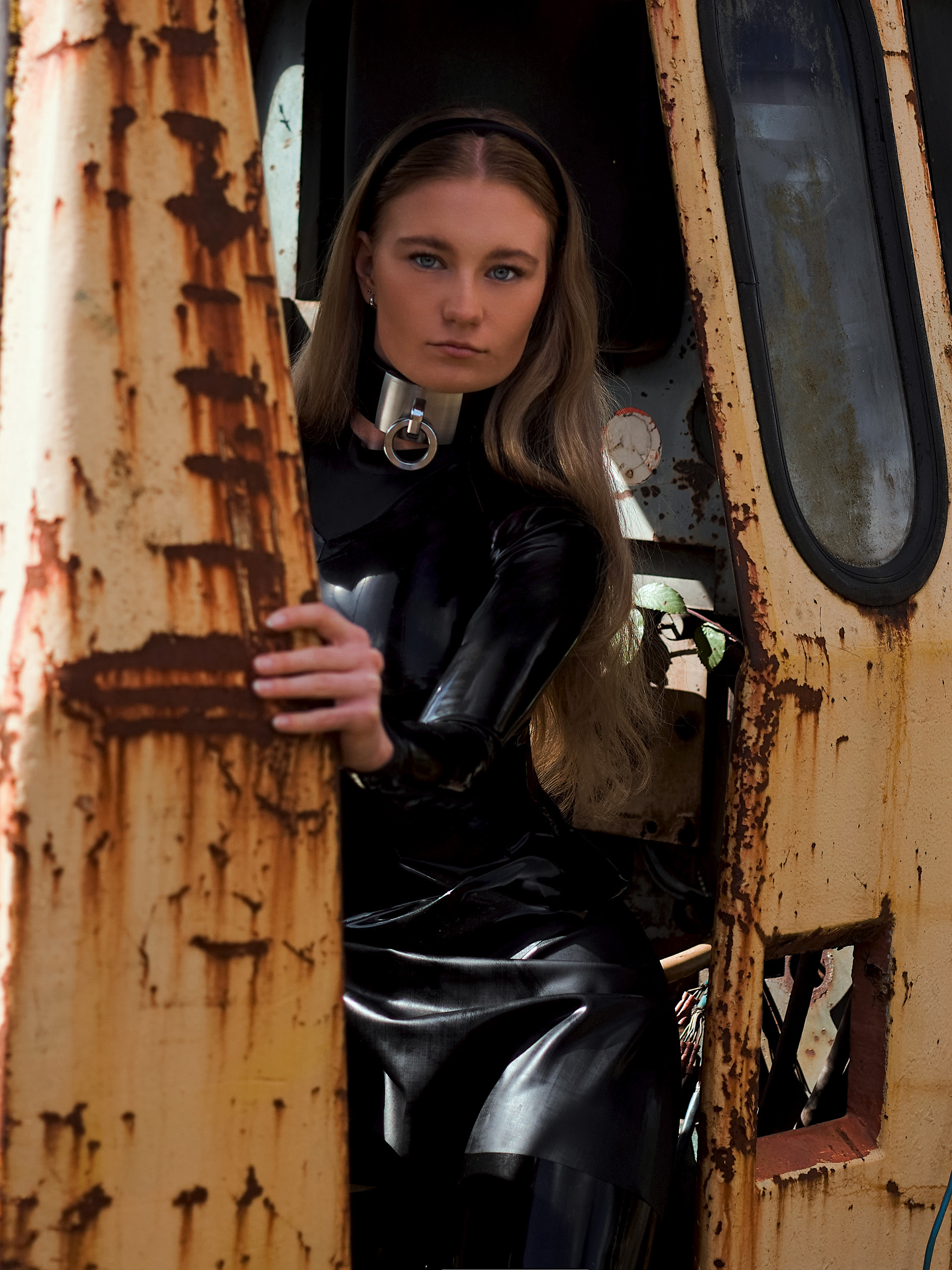
Dancing en pointe in a place that was never meant for ballet felt like a quiet privilege. The industrial surroundings were raw, functional, almost indifferent to movement, which made it even more powerful to step into them with full control, balanced on classical pointe shoes.
The tunnel became my private stage while remaining public and open. Steel, brick, and machinery surrounded me, but instead of feeling misplaced, I felt precise. Curious. I explored how my body could relate to hard surfaces and rigid structures while balancing on satin pointe shoes that demand discipline and stability.
Usually, I think of ballet as floating: light, wind-inspired, almost untouchable. But here, en pointe on concrete, I felt grounded. The environment gave me resistance. It encouraged stronger, more deliberate poses. Between structure and softness, I discovered a new kind of presence.
En Pointe in an Unexpected Space
Dancing en pointe in a space clearly not designed for ballet created a very specific tension. Ballet is traditionally associated with theaters, studios, polished wooden floors, and controlled lighting. This space offered none of that. It was industrial, textured, and exposed. And that contrast made every movement more intentional.
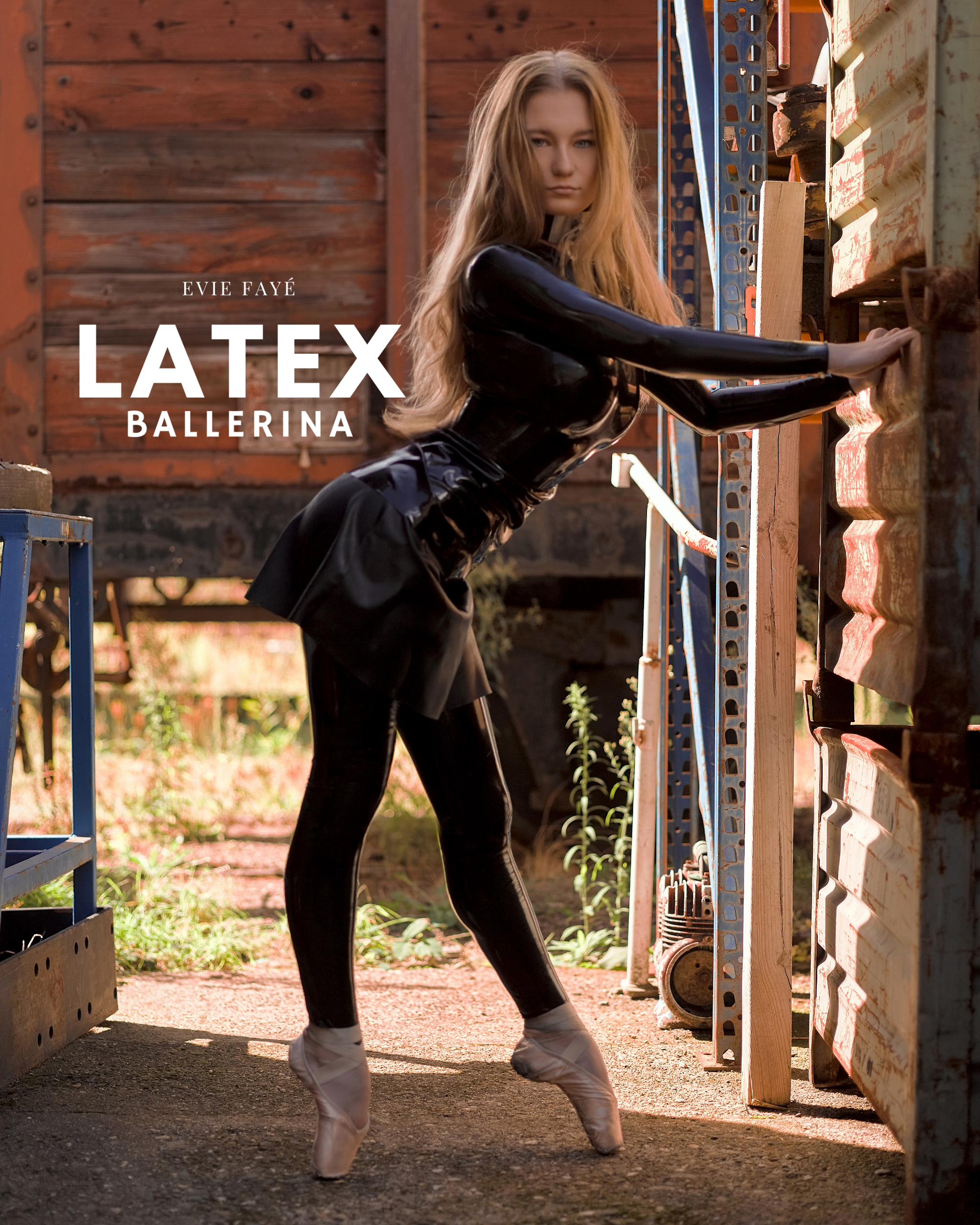
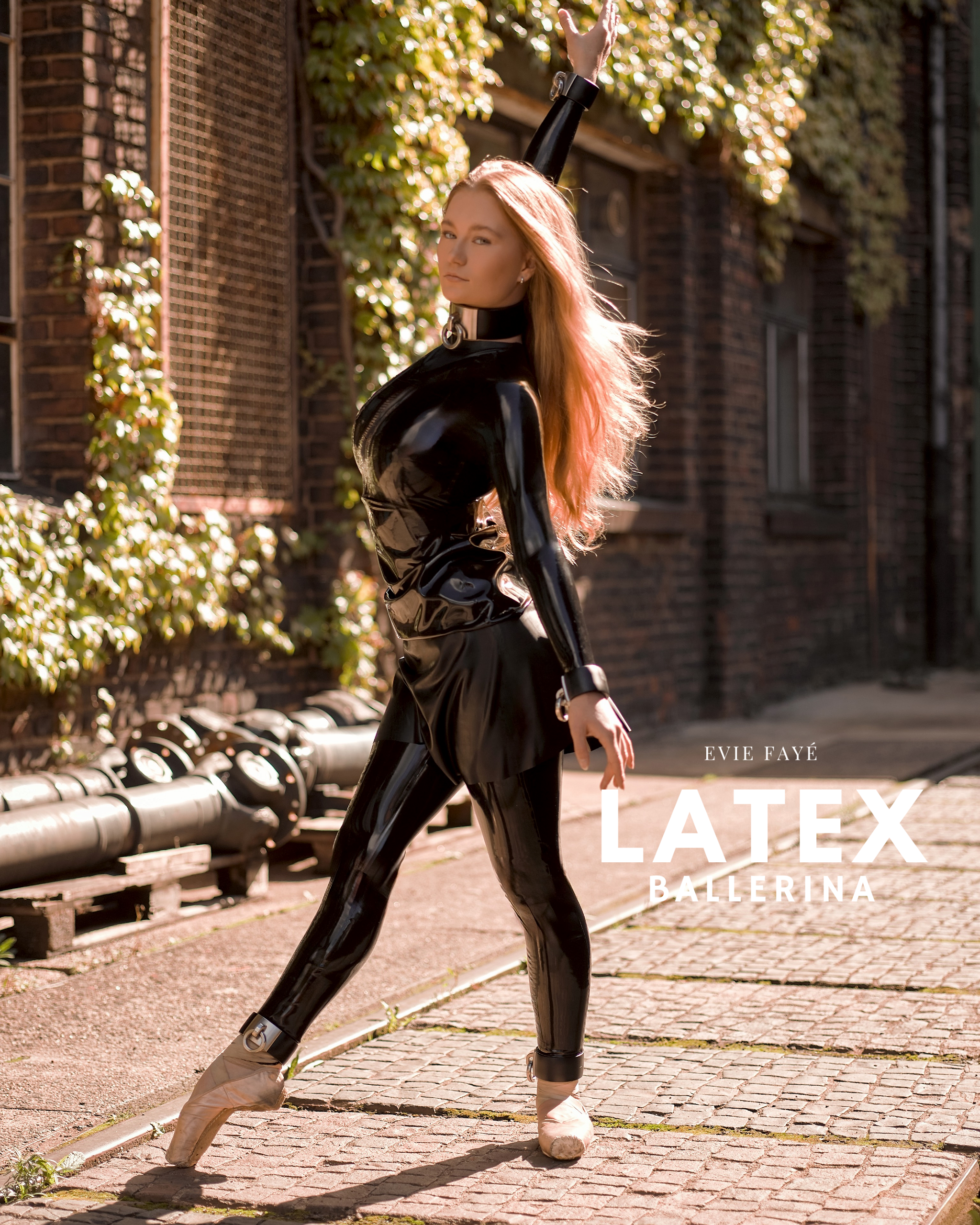
Standing on classical pointe shoes on concrete changes your awareness immediately. There is no forgiving surface. Every shift of weight is precise. Every balance must be earned. The satin shoes, usually framed by velvet curtains or mirrored studios, suddenly stood against brick walls and steel structures. That visual contrast intensified both the fragility and the strength of pointe work.
The tunnel felt like a temporary stage I carved out for myself. Public, open, yet strangely intimate once I began to move. The space did not adapt to me; I had to adapt to it. That negotiation between the environment and the body created a different kind of focus. Not performance-driven, but presence-driven.
It wasn’t about elegance alone. It was about control within unpredictability.
Structure, Resistance, and the Shift in Movement
The machinery and architectural elements surrounding me did not feel like background decoration. They became physical counterpoints to my movement. As a ballet dancer, I am trained to create the illusion of lightness, to appear as if gravity barely applies. But dancing en pointe in this environment reminded me that gravity is always there.
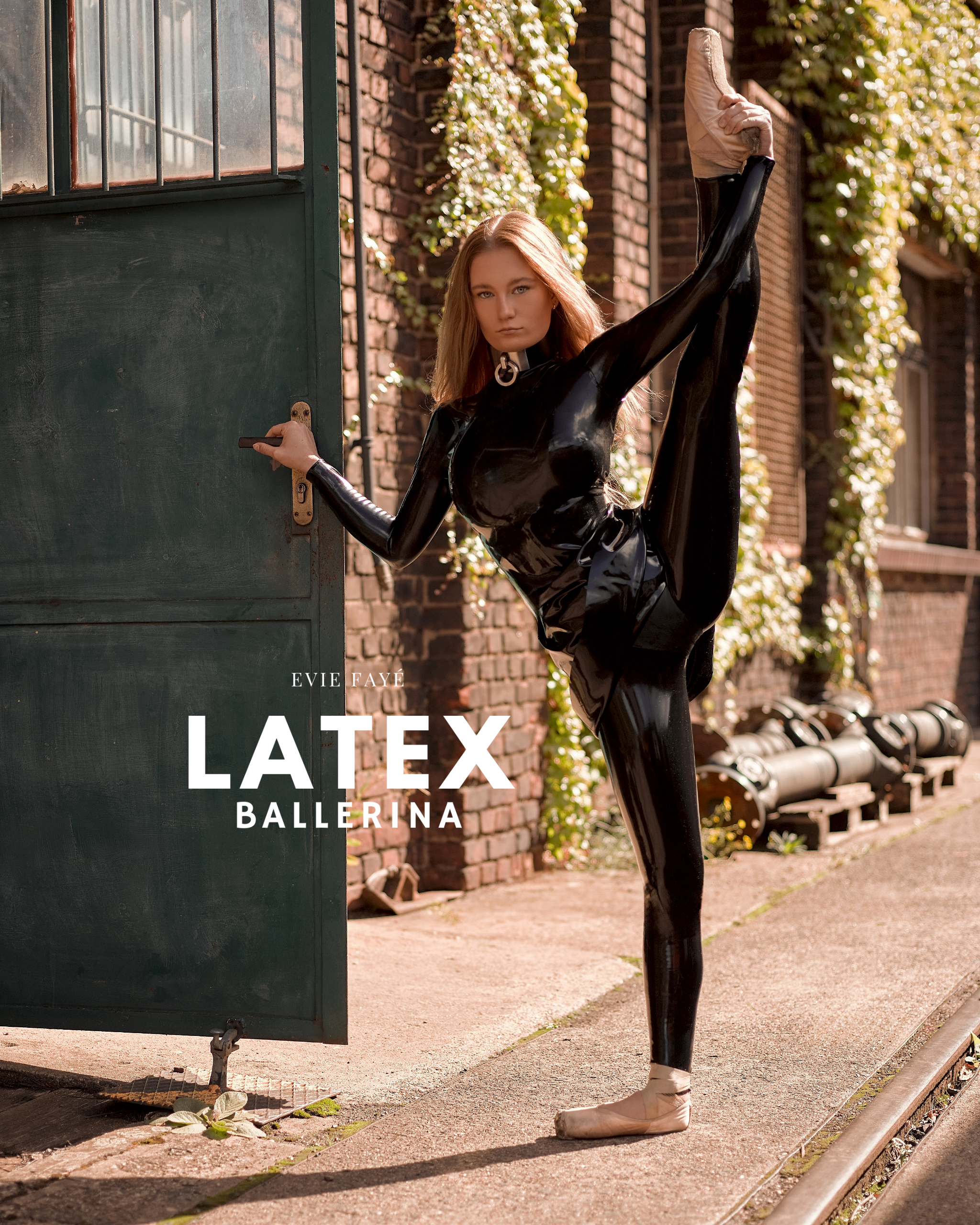
Leaning near metal structures, extending a leg beside rigid forms, and stabilizing myself on uneven ground, these interactions changed the quality of my poses. They became more structured, more defined. Less drifting, more anchoring.
The industrial setting encouraged a shift from airy transitions into stronger, more static shapes. En pointe is already a dialogue between vulnerability and power. In this space, that dialogue became visible. The satin pointe shoes carried delicacy. The surroundings demanded strength.
In that contrast: skin and latex against brick, pointe shoes against concrete, discipline against raw material, I felt empowered. Not because the space was beautiful, but because it wasn’t. It required clarity. And within that clarity, I found balance.
Leave a Reply